Planning, Infrastructure, Traffic, and Floodplain Concerns
Prepared for: Broken Arrow City Council and Planning Commission
Prepared by: South Broken Arrow Residents
Date: January 5, 2026
Purpose of This Report
This report presents objective, non-religious, and legally relevant reasons for denying or deferring the proposed rezoning request for a high-intensity assembly facility and associated retail development at 129th E Avenue and 121st Street in South Broken Arrow.
All concerns outlined below are grounded in municipal planning standards, traffic engineering principles, FEMA floodplain data, stormwater science, infrastructure capacity, and public safety considerations. The intent is to support informed decision-making consistent with the City’s duty to protect public safety, property, and long-term infrastructure stability.
Summary of the Proposed Development
Based on publicly available site plans, the proposal includes:
- A large assembly facility exceeding 23,000 square feet
- A future retail component exceeding 20,000 square feet
- Approximately 726 parking spaces
- Event-driven occupancy patterns rather than steady daily use
This configuration constitutes a high-intensity land use with impacts materially different from residential or neighborhood-scale commercial development.
1. Inconsistency With Surrounding Land Use and Intensity
South Broken Arrow is characterized by low-density residential, semi-rural, and transitional development patterns. Rezoning a parcel for a high-capacity assembly and retail use introduces:
- Event-based traffic surges
- Elevated noise and lighting impacts
- Overflow parking and spillover effects
- Increased demand on public services
Municipal zoning law allows denial of rezoning requests where the intensity of use is incompatible with surrounding land uses, regardless of the applicant’s identity or purpose.
2. Traffic Impact and Roadway Capacity Concerns
2.1 Event-Based Traffic Generation
Assembly uses generate concentrated traffic peaks, including:
- Midday weekday surges
- Weekend peak events
- Special events exceeding standard retail assumptions
These peak patterns differ substantially from conventional retail traffic and require specific traffic modeling.
2.2 Existing Road Network Limitations
The surrounding road network consists primarily of:
- Two-lane arterials and collectors
- Limited turn lanes and storage capacity
- Intersections not designed for sustained high-volume event traffic
Without verified mitigation, increased traffic volumes will:
- Degrade Level of Service (LOS)
- Increase collision risk
- Impair emergency response access
Rezoning approval without a completed, independent Traffic Impact Analysis (TIA) is premature.
3. FEMA Floodplain and Flood Risk Considerations
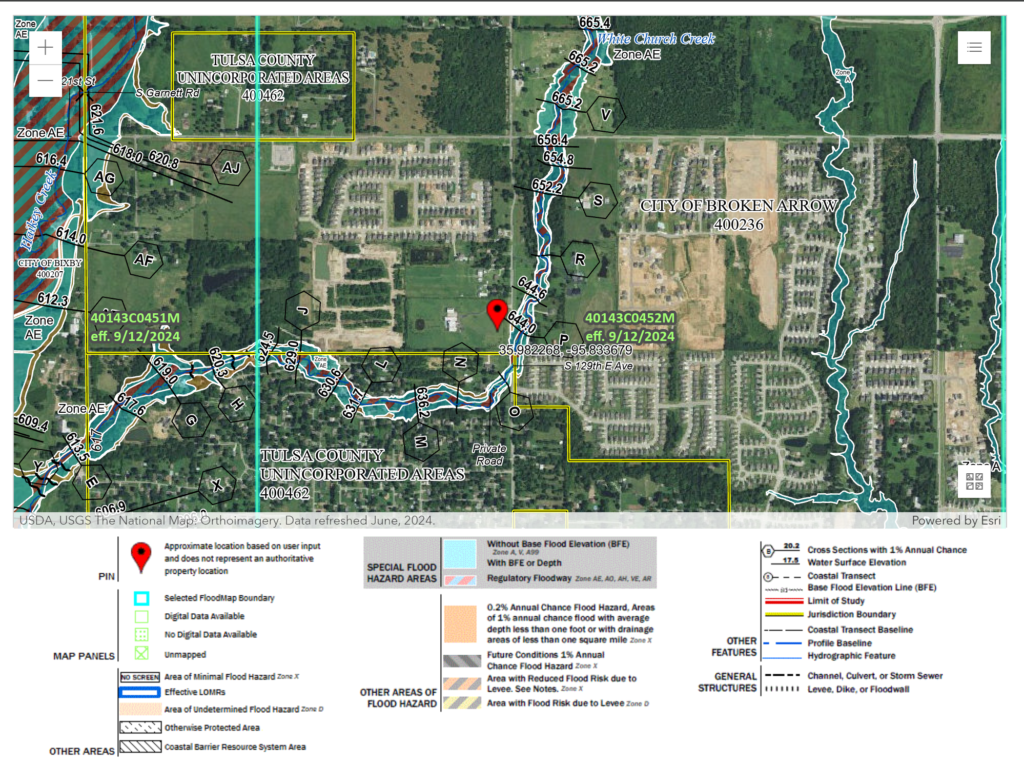
Figure 1: FEMA Flood Insurance Rate Map (FIRM)
Source: FEMA Flood Map Service Center. Panels 40143C0451M and 40143C0452M. Effective September 12, 2024.
3.1 FEMA Mapping Overview
Federal Emergency Management Agency (FEMA) Flood Insurance Rate Maps (FIRMs) show that the subject property is immediately adjacent to Zone AE Special Flood Hazard Areas, including multiple mapped creek and drainage corridors.
Zone AE represents areas with a 1% annual chance of flooding and includes identified Base Flood Elevations (BFEs).
3.2 Adjacent Development Risk
Although portions of the parcel may lie outside the mapped Zone AE boundary, FEMA guidance and hydrologic science recognize that high-intensity development adjacent to floodplains can:
- Increase runoff volume and velocity
- Alter natural drainage patterns
- Increase downstream flood risk
- Reduce floodplain storage capacity
These impacts occur even when structures are not placed directly within mapped flood zones.
3.3 Impervious Surface Impacts
The proposed development includes extensive impervious surfaces, including:
- Large parking areas
- Building footprints
- Internal roadways
Scientific stormwater principles confirm that such development significantly increases surface runoff, placing additional strain on downstream infrastructure and properties.
3.4 Planning and Liability Implications
Approving rezoning prior to final FEMA-compliant flood mitigation analysis:
- Increases municipal flood liability
- Risks downstream property damage
- Undermines floodplain management objectives
- Exposes the City to National Flood Insurance Program (NFIP) compliance concerns
Standard planning practice requires floodplain and stormwater issues to be fully resolved before rezoning, not deferred to later phases.
4. Stormwater Management and Drainage
The site’s proximity to creek systems makes stormwater management a primary, not secondary, consideration.
Rezoning approval should not occur without:
- Final engineered stormwater detention plans
- Downstream impact modeling
- Clear assignment of construction and long-term maintenance responsibility
- Confirmation that mitigation is fully developer-funded
Deferring these elements creates unacceptable risk.
5. Infrastructure and Utilities Capacity
High-capacity assembly and retail uses increase demand on:
- Water supply
- Sewer capacity
- Electrical infrastructure
- Solid waste services
Residents request written confirmation from Public Works regarding:
- Existing system capacity
- Required upgrades
- Funding responsibility
Rezoning decisions must not rely on speculative future infrastructure expansion.
6. Public Safety and Emergency Services
Large gathering facilities increase demand for:
- Police traffic control
- EMS response
- Fire protection services
If emergency response times or staffing levels in South Broken Arrow are already constrained, rezoning approval would further burden public safety resources.
Coordination with emergency service providers should be documented prior to any approval.
7. Procedural and Due Diligence Concerns
Rezoning decisions should be based on complete, publicly available data, including:
- Traffic studies
- Floodplain and stormwater analyses
- Infrastructure capacity verification
- Emergency services coordination
Approval contingent on future studies is inconsistent with responsible municipal governance.
Conclusion and Formal Request
Based on land-use compatibility, traffic capacity, FEMA floodplain data, stormwater risk, infrastructure limitations, and public safety concerns, residents respectfully request that the Broken Arrow City Council:
- Deny the rezoning request, or
- Defer approval until all independent studies are completed, reviewed, and publicly disclosed
This request is made without reference to the identity, beliefs, or affiliations of the applicant, and is based solely on objective planning standards, federal flood data, and public safety considerations.
Federal Emergency Management Agency (FEMA) Flood Insurance Rate Maps
https://msc.fema.gov/portal/home
City of Broken Arrow – Planning & Zoning
https://www.brokenarrowok.gov/government/planning