What Happened in Florida
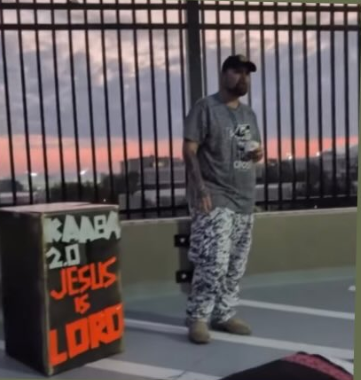
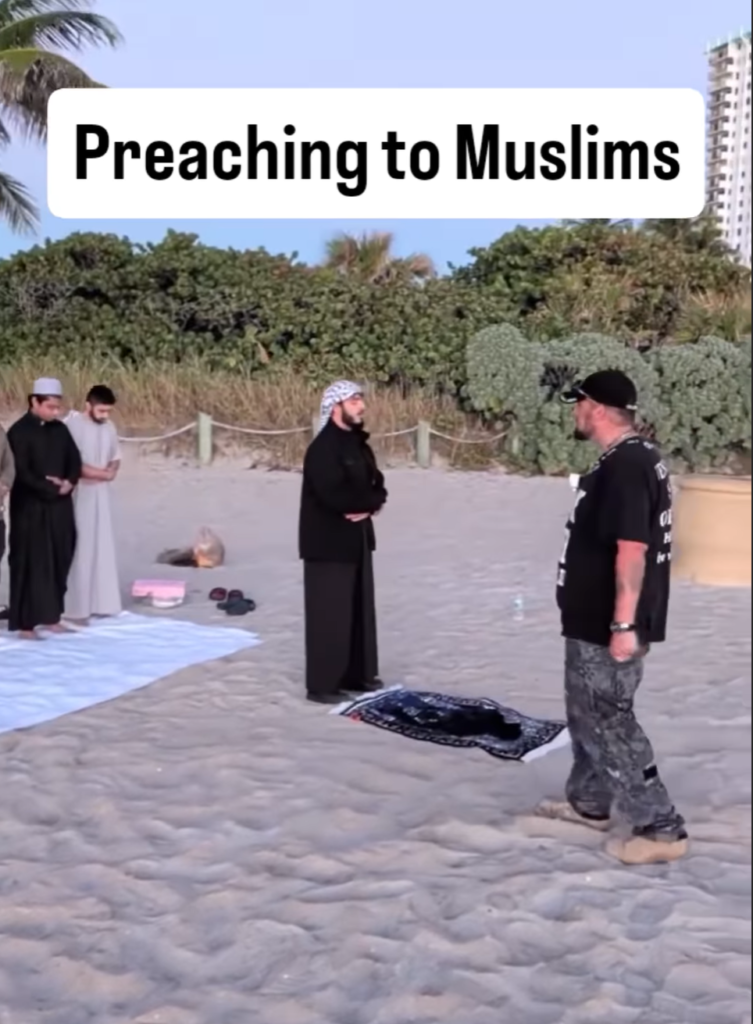
In Florida, a routine act of lawful public Christian preaching escalated into a confrontation involving law enforcement, outside advocacy pressure, and public accusations of criminal behavior. What began as open-air ministry in a public forum quickly became a test of whether constitutionally protected speech would be upheld when religious offense was alleged.
The preaching itself was nonviolent, non-threatening, and conducted in a location traditionally recognized as a public forum. No physical obstruction occurred, no threats were issued, and no property was damaged. The sole issue raised was the content of the message.
Complaints were lodged not on the basis of conduct, but on the claim that the preaching was offensive to religious sensibilities. From that point forward, the incident shifted from a matter of public expression to one framed as public order and safety, despite the absence of any criminal behavior.
Media Framing and Public Narrative
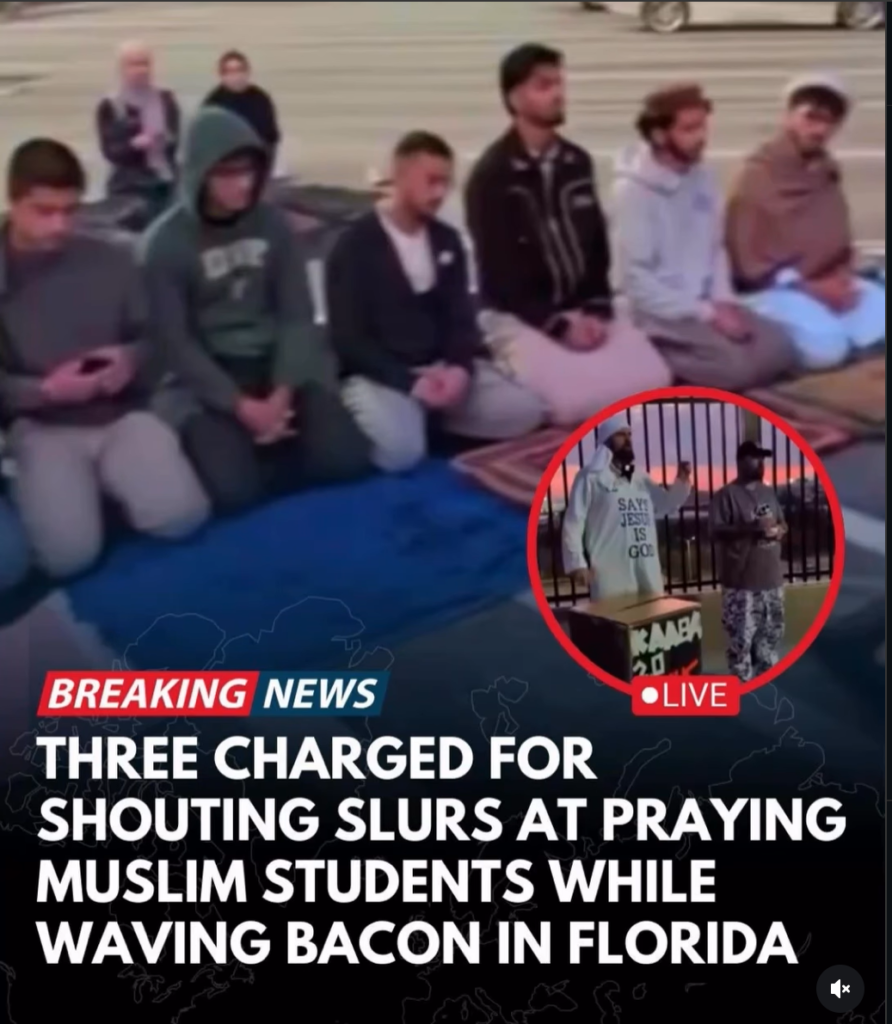
Following the incident, media coverage rapidly adopted language that portrayed the event as harassment and bigotry rather than a constitutional issue. Headlines emphasized accusation over context, reinforcing a narrative that public Christian speech itself was suspect.
This framing mattered. Public perception influences institutional response, and institutional response shapes precedent. When media outlets reduce constitutional disputes to emotional outrage, they obscure the legal principles at stake.
The Florida incident illustrated how quickly lawful activity can be reframed when ideological pressure replaces objective assessment.
What Changed After Florida
Florida marked a turning point.
Public attention increased significantly. Media scrutiny intensified. Opposition tactics became clearer and more coordinated. What had once been treated as isolated street preaching incidents were now being tested as leverage points for broader speech suppression.
The response confirmed the necessity of documentation. Without clear records, narratives are written by those with the loudest platforms rather than the strongest facts.
Why We Document Field Reports
Florida made one thing clear: silence benefits those who seek to restrict public Christianity through intimidation and misrepresentation. That is why we document field reports carefully, publish evidence, and preserve records of what actually occurred.
Field Reports exist to ensure that incidents are not quietly buried, mischaracterized, or rewritten. They are not reaction pieces. They are records.
Public faith requires public accountability, not secrecy.
Video footage and commentary from the Florida incident is available here:
Watch on YouTube →